'Actual consumption of microplastics is much lower than popular media suggests. ...Practical "avoid" examples: Avoid paper coffee cups, plastic cutting
boards, microwaving food in plastic, dishwashing plastic items.'
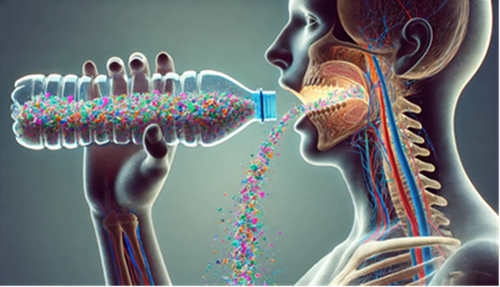
What kick-started the focus was a headline grabbing new study published
in the New England Journal of Medicine in 2024 that examined the
presence of microplastics and nanoplastics in human arterial plaque.
Researchers analysed plaque samples from 304 patients and they detected
microplastics, predominantly polyethylene, in the arterial plaque of
these patients. Notably, individuals with microplastics in their
arterial plaque were found to have a 4.5 times higher risk of
experiencing a heart attack, stroke, or death within the subsequent
three years compared to those without such microplastic presence. Very
scary data indeed. Since then, various health influencers have competed
in extrapolating this study and recommended implementing more and more
extreme lifestyle measures to avoid plastic.
Among other health risk that have been mentioned are increased risk for
chronic diseases, infertility, and endocrine issues as well as oxidative
stress, inflammatory reactions and epigenetic changes.
Now Peter Attia & his team have spent a fair amount of time to
review all the data on the subject. Here are his important conclusions.

1. Actual consumption of microplastics is much lower than popular media suggests.
2. Most ingested microplastics are quickly eliminated, primarily through stool.
3. The tests that exist on the market today to measure plastic exposure
are not yet reliable enough to act as a biomarker or a proxy to guide
interventions.
4. Research is in its infancy despite frequent media coverage.
5. Studies in humans are limited, with small sample sizes and inconsistencies.
6. While there is “smoke,” the evidence does not support the extreme claims seen in social media.
6. The narrative around plastics being an existential threat is overstated based on current data.
7. Despite incomplete data, it is clear that plastic concentrations in human tissues are rising.
8. Current data does not conclusively prove that micro/nanoplastics
(MNPs) are significantly hazardous to human health, nor does it confirm
their harmlessness.
9. Given the lack of benefits and potential for harm, reducing exposure appears prudent.
10. Significant risk reduction is achievable without excessive cost or
effort. Example: Replacing plastic with glass for food storage and water
bottles is affordable and convenient. So is avoid heating or storing
food in plastic.
11. Further risk reduction: Limit consumption of highly processed foods
and beverages. Be mindful of fast-food packaging, which may contain
harmful chemicals.
12. Some exposure is inevitable: Focus on impactful strategies within your lifestyle rather than striving for perfection.
13. Practical "avoid" examples: Avoid paper coffee cups, plastic cutting
boards, microwaving food in plastic, dishwashing plastic items.

No comments:
Post a Comment