Redacted: A new “reset” just kicked off in the last 48 hours: Epstein files, a historic precious-metals drop, and a strange gold arbitrage forming between China, London, and the U.S. Then Donald Trump nominates Kevin Warsh—and suddenly the dollar era, the petro-dollar era, and the energy chessboard all look different.
1 Feb 2026
The Ukraine War Would Never Have Happened Had The Jews Not Pushed For "Ukraine = Big Israel" Via NATO Enlargement
As the Christ hating, land grubbing Jew Zelensky said, he wants "Ukraine = Big Israel."
George Galloway: There's probably been two million Ukraine casualties since the start of the war, says Prof Jefrey Sachs. Our great defence of Ukraine is to kill them all.
U.S. BLACKLISTED: Burkina Faso Leads Africa In Travel Ban!
BCD: A stunning diplomatic reversal just shook the global travel system. Burkina Faso has blacklisted the United States, launching one of Africa’s most dramatic travel bans in modern history — and other nations are now watching closely. What used to be one-sided restrictions has flipped overnight. For years, African citizens faced visa bans, sanctions, and humiliating travel barriers imposed by Western governments. Now, Ouagadougou is applying the same logic back — not in anger, but in reciprocity.
British People Mock Government Propaganda - And The Left Are FUMING - Amelia Shows They're Out Of Touch
'The establishment is not taking the pisstakes well.'
Leo Kearse: "Pathways: Navigating the Internet and Extremism" is a computer game created in collaboration with Prevent, the agency tasked with stopping radicalisation that could lead to terrorism.
'Feminism Made Society Crumble' - Controversial Hannah Pearl Davis Says Women 'Have Too Much Power'
TTV: Pearl Davis, an American YouTuber and political commentator, discussed her anti-feminist views with Ian Collins. Davis argued that feminism has empowered women to the point of societal imbalance, citing issues like men losing access to their children post-divorce and the financial burden on men. She suggests battles for women have been lost because of Onlyfans.
“Iran War Will Be VERY BAD For Israel" - Israeli Military Expert
"The Jews are a danger to humanity!"
Katie Halper: Katie talks to Holocaust survivor Stephen Kapos and historian Haim Bresheeth Zabner about Iran, Israel, Holocaust Memorial Day about how the Holocaust is being used to justify the genocide in Gaza.
Jew Nobbled Apple Is Going To Wish It Hadn't Done This
KernowDamo: Apple’s billion-dollar purchase of an Israeli AI firm has sparked controversy over privacy and growing BDS pressure seems certain to follow.
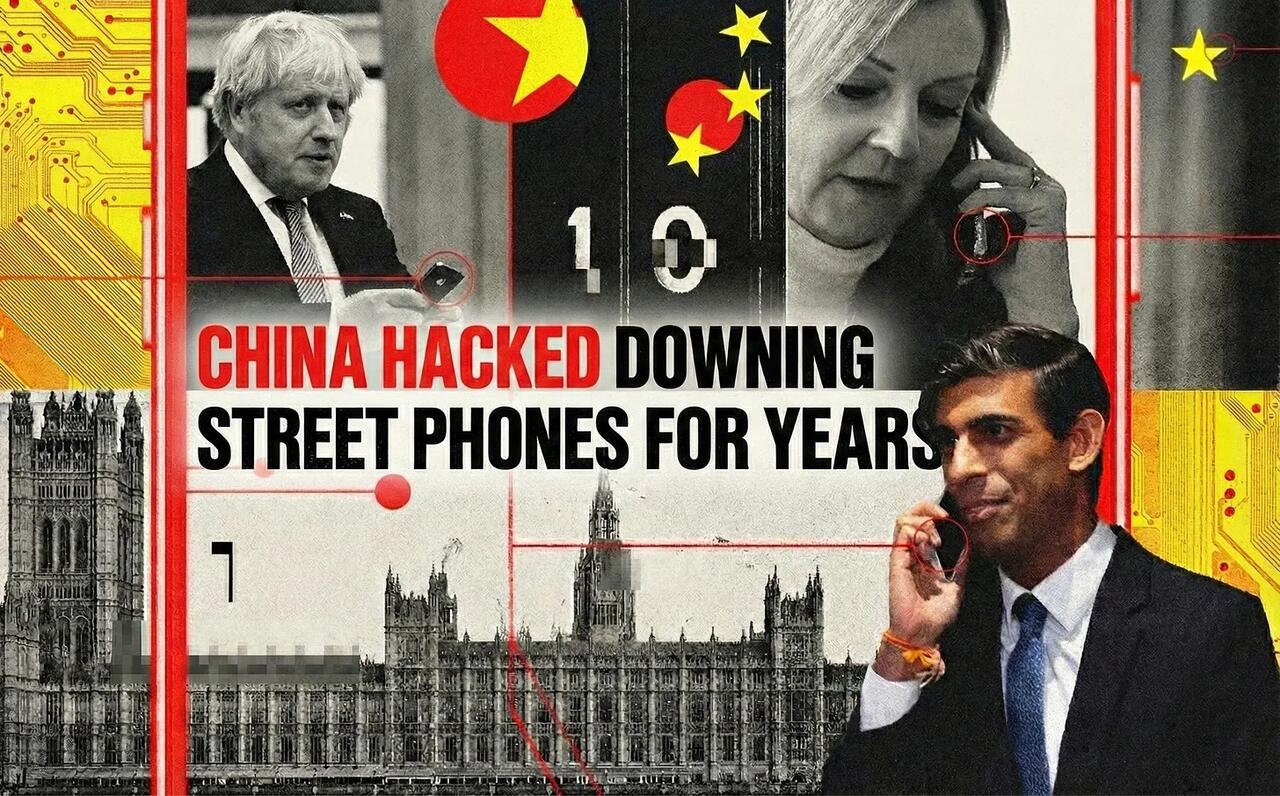
Next-Level Spying: China Read West's Wiretaps For Years
'The Orwellian Communications Assistance for Law Enforcement Act in the United States and the Investigatory Powers Act in the United Kingdom require telecommunications carriers to build backdoors into their networks for court-ordered wiretapping for their own citizens. Chinese state hackers found those backdoors. And walked through them.'
Subscribe to:
Posts (Atom)