What explains the curious lack of economic progress in the EU over the past 16 years?
Authored by David Hebert: In 2008, the economies of the European Union and the United States were roughly equal in size in terms of GDP. Fast forward through a global financial crisis and pandemic and the U.S. economy has nearly doubled while Europe’s has barely grown at all. How can we explain this?
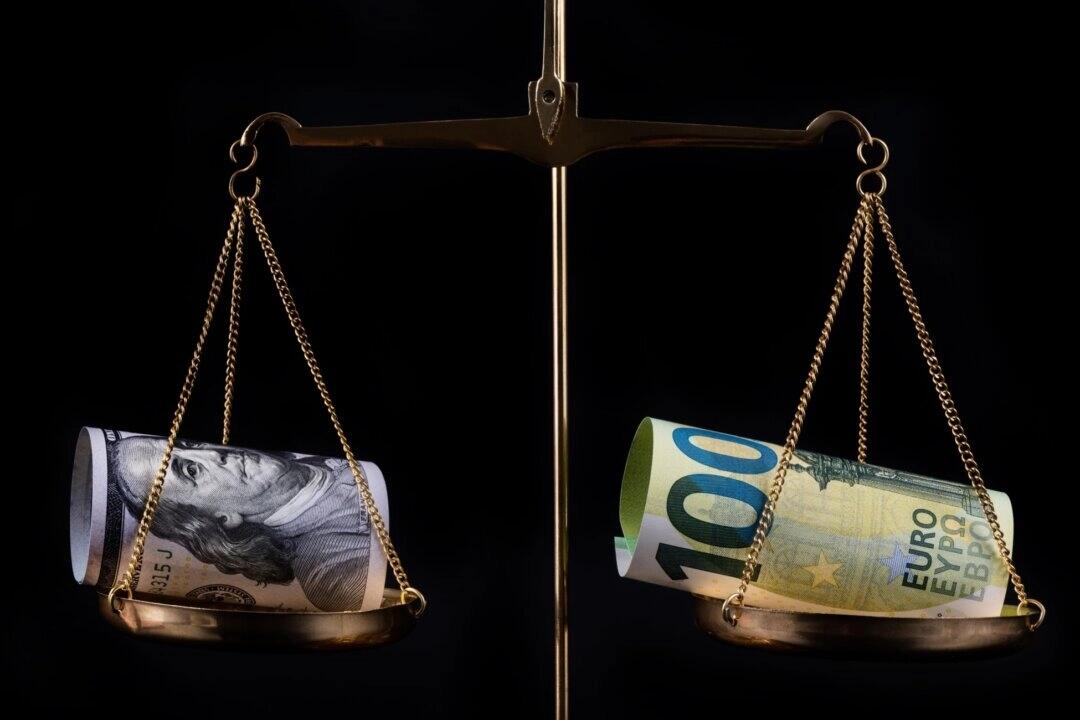
One answer is to point out the glaring problem with comparing EU GDP in 2008 to EU GDP in 2023: Brexit. Recall that GDP is defined as the value of all the production that takes place within an economy. In 2016, the EU lost its second largest economy and with it, a significant portion of its overall GDP. Still, with a GDP of between $2.5 and 3 trillion, Britain’s exit from the EU cannot, by itself, explain the nearly $10 trillion gap in GDP.
First, we must remind ourselves that wealth does not happen automatically, bestowed from above as if it were manna from heaven. It has to be created through the conscious and deliberate efforts of workers, business leaders, and entrepreneurs. Notice one group of people missing from this list: policymakers. Despite their claims to the contrary, policymakers cannot create wealth. Indeed, they cannot do so. However, their role in wealth-creation cannot be understated, for they wield the simultaneous power to foster growth and to inhibit it.